Implementation of Project Based Learning with Scratch to Enhance Students’ Computational Thinking on Linear Function
Abstract
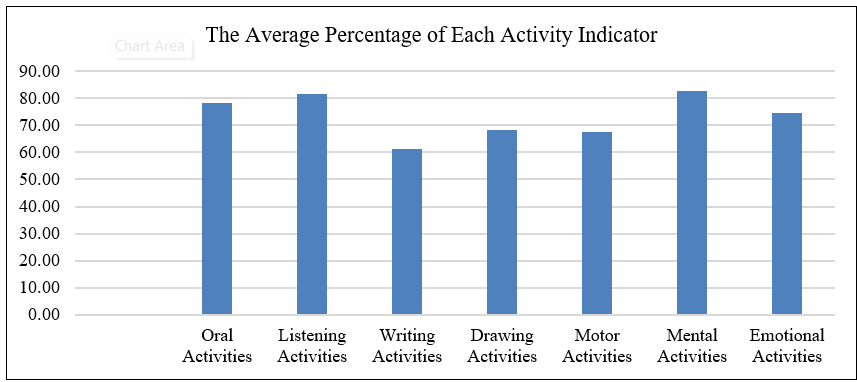
This study aims to: (1) determine students’ learning mastery in terms of computational thinking skills, based on a minimum completeness criterion (KKTP) of 70, both individually and classically after the implementation of the Project-Based Learning (PjBL) model assisted by Scratch media; (2) identify whether there is a significant difference in the improvement of computational thinking skills between students taught using the PjBL model with Scratch and those taught through direct instruction on the topic of linear functions at SMP Negeri 19 Singkawang; and (3) observe student learning activities after the application of the PjBL model assisted by Scratch. This quantitative research employed an experimental method using a quasi-experimental design with a nonequivalent control group design. The sample was selected using probability sampling, specifically simple random sampling, resulting in class VIII E as the experimental group and class VIII A as the control group. The findings indicate that: (1) students' computational thinking skills achieved the KKTP threshold both individually and classically after the intervention; (2) a significant difference in skill improvement was found between the experimental and control groups; and (3) students demonstrated active engagement in learning activities following the implementation of the PjBL model assisted by Scratch.
Downloads
References
References
Akhmad, D. M., Resita, E., Hutagalung, C. A., Putra, G. R., & Akhdan, H. (2025). Enhancing digital literacy and computational thinking through Scratch-based learning. Jurnal Pengabdian Masyarakat Inovatif, 3(2), 113–121.
Azzahra, U., Arsih, F., & Alberida, H. (2023). Pengaruh Model Pembelajaran Project-Based Learning (PJBL) Terhadap Keterampilan Berpikir Kreatif Peserta Didik Pada Pembelajaran Biologi: Literature Review. BIOCHEPHY: Journal Of Science Education, 3(1), 49–60.
Brennan, K., & Resnick, M. (2012). New Frameworks for Studying and Assessing the Development of Computational Thinking. Proceedings of the 2012 Annual Meeting of the American Educational Research Association, 1.
Grover, S., & Pea, R. (2013). Computational Thinking in K–12. Educational Researcher, 42(1), 38–43. https://doi.org/10.3102/0013189X12463051
Hadi, M. E. (2021). Pengembangan Perangkat Pembelajaran Model Project Based Learning Berbantuan Scratcg Untuk Meningkatkan Kemampuan Berpikir Komputasi Matematika. Universitas Islam Negeri Syarif Hidayatullah Jakarta.
Hmelo-Silver, C. E., Duncan, R. G., & Chinn, C. A. (2007). Scaffolding and Achievement in Problem-Based and Inquiry Learning: A Response to Kirschner, Sweller, and Clark (2006). Educational Psychologist, 42(2), 99–107. https://doi.org/10.1080/00461520701263368
Ismael, Nizwardi Jalinus, & Rusnardi Rahmad Putra. (2024). Implementation of Project-Based Learning Computational Thinking Models in Mobile Programming Courses. International Journal of Interactive Mobile Technologies (IJIM), 18(11), 108–120. https://doi.org/10.3991/ijim.v18i11.49097
Jamna, N. D., Hamid, H., & Bakar, M. T. (2022). Analisis Kemampuan Berpikir Komputasi Matematis Siswa SMP Pada Materi Persamaan Kuadrat. Jurnal Pendidikan Guru Matematika, 2(3).
Ji, W., & Wong, G. K. W. (2025). Integrating problem-based learning and computational thinking: cultivating creative thinking in primary education. Frontiers in Education, 10. https://doi.org/10.3389/feduc.2025.1625105
Kamil, M. R., Imami, A. I., & Abadi, A. P. (2021). Analisis kemampuan berpikir komputasional matematis Siswa Kelas IX SMP Negeri 1 Cikampek pada materi pola bilangan. AKSIOMA: Jurnal Matematika Dan Pendidikan Matematika, 12(2). https://doi.org/10.26877/aks.v12i2.8447
Lestari, D., & Hidayat, W. (2021). Aktivitas Belajar Siswa dalam Pembelajaran Matematika Berbantuan Media Interaktif. JUPITEK (Jurnal Pendidikan Matematika), 5(1), 33–41.
Liu, Z., Gearty, Z., Richard, E., Orrill, C. H., Kayumova, S., & Balasubramanian, R. (2024). Bringing computational thinking into classrooms: a systematic review on supporting teachers in integrating computational thinking into K-12 classrooms. International Journal of STEM Education, 11(1), 51. https://doi.org/10.1186/s40594-024-00510-6
Luthfiyyah, R. Z., Nurhikmah, J., Najayanti, Irsalina, S., Nabilah, S., & Alindra, A. L. (2023). Pengaruh Media Pembelajaran Berbasis Scratch Terhadap Motivasi Belajar Siswa Kelas IV di Salah Satu Sekolah Dasar Purwakarta. INNOVATIVE: Journal Of Social Science Research, 3(6), 5722–5731.
Nadirah, A., Pertiwi, A. N., Kasari, M., Sapitri, N. B., Susanti, E., Zulkardi, Z., & Meryansumayeka, M. (2024). Development Of Mathematics Learning Media On Geometry Material To Increase Students’ Interest In Learning. Jurnal Pendidikan Matematika (JUPITEK), 7(2), 83–92. https://doi.org/10.30598/jupitekvol7iss2pp83-92
NCTM. (2018). Catalyzing Change in High School Mathematics.
OECD. (2019). OECD Learning Compass 2030.
Papert, S. (1980). Mindstorms: Children, Computers, and Powerful Ideas.
Piaget, J. (1972). The Psychology of The Child.
Putri, R. I. I., & Zulkardi. (2020). Keterlibatan Siswa dalam Pembelajaran Matematika Berbasis Aktivitas dan Diskusi Kelompok. JUPITEK (Jurnal Pendidikan Matematika), 4(2), 101–112.
Rahmadani, E., Syafri, B. R., Panggabean, E. M., & Harahap, T. H. (2026). Analysis of Piaget’s and Vygotsky’s Cognitive Theories and Their Implications for the Sequence of Mathematics Learning Materials. OMEGA: Jurnal Keilmuan Pendidikan Matematika, 5(2), 308–316. https://doi.org/10.47662/jkpm.v5i2.1280
Rahmawati, N., & Susanto, H. (2019). Aktivitas Belajar Siswa dalam Pembelajaran Matematika Berbasis Masalah. JUPITEK (Jurnal Pendidikan Matematika), 3(1), 15–24.
Ramayati, I. D., Srijani, N., & Muhajir, P. (2024). Implementasi PjBL Terintegrasi KSE untuk Meningkatkan Keaktifan dan Hasil Belajar Peserta Didik pada Pembelajaran Matematika Kelas V SD. Edukasi Elita : Jurnal Inovasi Pendidikan, 2(1), 173–182. https://doi.org/10.62383/edukasi.v2i1.1012
Rizkiana, E., Agustiani, R., & Wardani, A. K. (2025). Using Augmented Reality Based LKPD to Improve Mathematics Learning. Jurnal Pendidikan Matematika (JUPITEK), 8(1), 35–49. https://doi.org/10.30598/jupitekvol8iss1pp35-49
Saidul, M. D., & Widyasari, N. (2025). Efficiency Of Scaffolding Method In The Learning Process Of Mathematics Comparative Material In Grade V Elementary School Students. Jurnal Pendidikan Matematika (JUPITEK), 7(2), 111–122. https://doi.org/10.30598/jupitekvol7iss2pp111-122
Samodra, I., Rahmawati, F., & Prayitno, B. A. (2025). Bibliometric Mapping Of Computational Thinking And Project Based Learning Research In Science Education For Advancing SDG 6. Discover Sustainability, 6(1), 1459. https://doi.org/10.1007/s43621-025-02340-0
Sappaile, B. I., Putro, A. N. S., Ahmad, S. N., Artayani, M., Zahir, L. A., & Andilah, S. (2023). Implementasi Model Pembelajaran Berbasis Proyek Dalam Penanaman Konsep Matematika pada Siswa Sekolah Menengah. INNOVATIVE: Journal Of Social Science Research, 3(3), 8547–8557.
Selano, Y. P., Sutimin, L. A., & Sumaryati, S. (2024). Web-Based E-Module with a Project Based Learning Approach to Improve Computational Thinking Skills of High School Students. Journal of Education Technology, 8(4), 763–775. https://doi.org/10.23887/jet.v8i4.85248
Tarigan, W. P. L., Paidi, P., & Wiyarsi, A. (2025). Integrating computational thinking and creativity in project-based learning: A systematic review. Research and Development in Education (RaDEn), 5(1), 767–780. https://doi.org/10.22219/raden.v5i1.39994
Vygotsky, L. S. (1978). Mind in Society: The Development of Higher Psychological Processes. Harvard University Press.
Weintrop, D., Beheshti, E., Horn, M., Orton, K., Jona, K., Trouille, L., & Wilensky, U. (2016). Defining Computational Thinking for Mathematics and Science Classrooms. Journal of Science Education and Technology, 25(1), 127–147. https://doi.org/10.1007/s10956-015-9581-5
Widjayanti, W. R., Masfingatin, T., & Setyansah, R. K. (2019). Media Pembelajaran Interaktif Berbasis Animasi Pada Materi Statistika Untuk Siswa Kelas 7 SMP. Jurnal Pendidikan Matematika, 13(1), 101–112.
Widodo, S. A., & Kartikasari, R. (2017). Pembelajaran Berbasis Proyek untuk Meningkatkan Keaktifan dan Pemahaman Konsep Matematika Siswa SMP. JUPITEK (Jurnal Pendidikan Matematika), 1(2), 87–96.
Wing, J. M. (2006). Computational thinking. Communications of the ACM, 49(3), 33–35. https://doi.org/10.1145/1118178.1118215
Wulandari, Haftani, D. A., Ridwan, T., & Putri, D. I. H. (2021). Pemanfaatan Platform Scratch dalam Pembelajaran Koding di Sekolah Dasar untuk mengasah kemampuan Computational Thinking pada Siswa. Renjana Pendidikan 1: Prosiding Seminar Nasional Pendidikan Dasar PGSD Kampus UPI Di Purwakarta 2021.
Copyright (c) 2025 Mas Asfila Aldiyah Sabila, Mariyam Mariyam, Rika Wahyuni

This work is licensed under a Creative Commons Attribution-NonCommercial-ShareAlike 4.0 International License.
License and Copyright Agreement
By submitting a manuscript to Jurnal Pendidikan Matematika (JUPITEK), the author(s) certify and agree to the following terms:
- Originality and Authority: The submitting author is authorized by all co-authors to enter into this agreement. The manuscript describes original work that has not been published previously in a peer-reviewed journal, nor is it under consideration for publication elsewhere.
- Approval: Its publication has been approved by all author(s) and by the responsible authorities of the institutions where the work was carried out.
- Rights: The authors secure the right to reproduce any material that has already been published or copyrighted elsewhere.
- Licensing and Copyright: Authors retain the copyright to their work.
- License Grant: The authors grant Jurnal Pendidikan Matematika (JUPITEK) the right of first publication, with the work simultaneously licensed under the Creative Commons Attribution-NonCommercial-ShareAlike 4.0 International (CC BY-NC-SA 4.0).
- Self-Archiving: Authors are permitted and encouraged to deposit the published version of their article in institutional repositories, on their personal websites, and other academic platforms, with proper acknowledgment of its initial publication in Jurnal Pendidikan Matematika (JUPITEK).



.png)